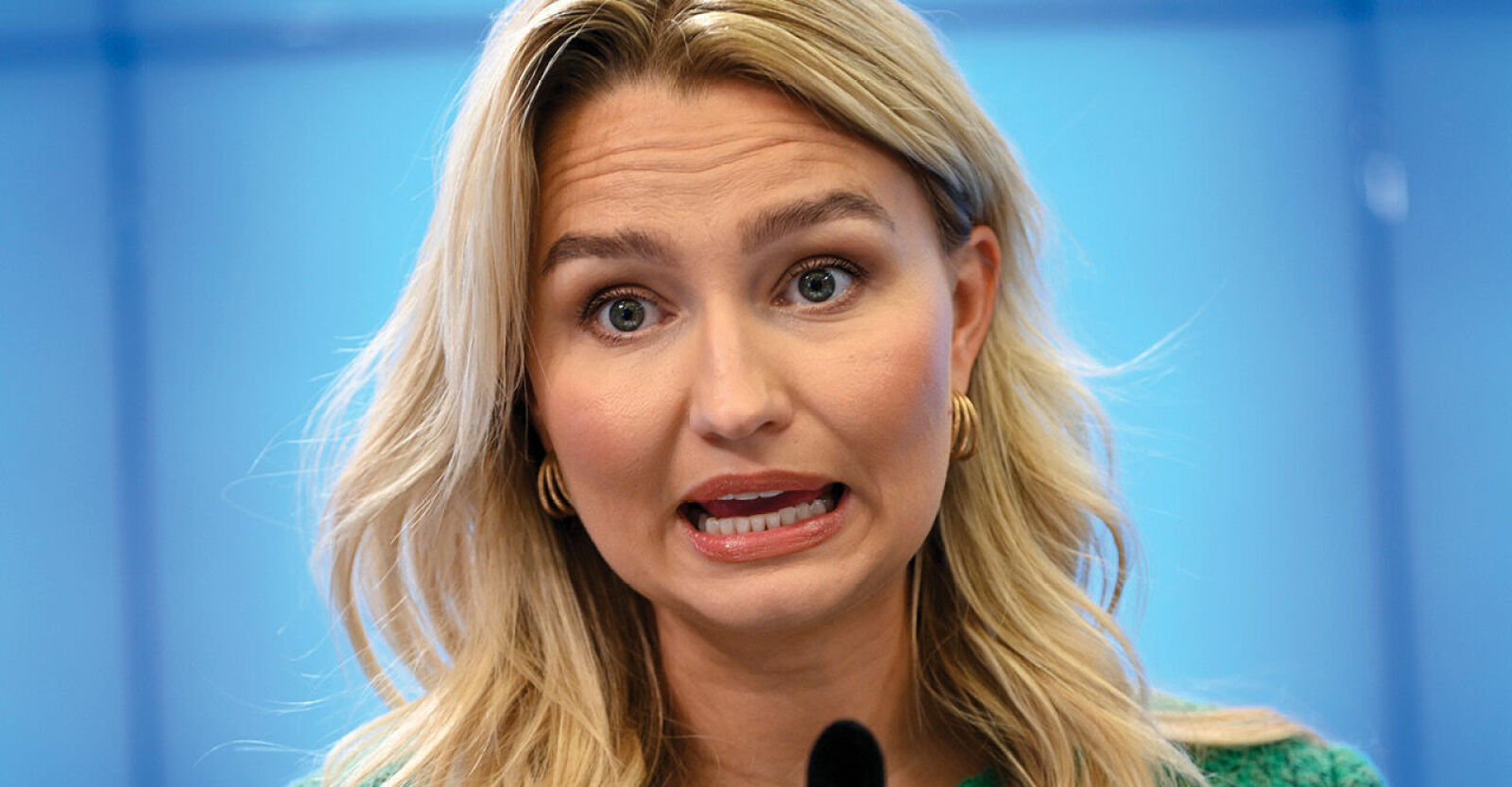
The government increases the electricity tax at the turn of the year. At the same time, Energy and Industry Minister Ebba Busch (KD) says that the party’s ambition is still to fulfill its election promise of a reduction in the electricity tax.
“It is still something we strive for”, she says.
“Reduce the electricity tax” wrote KD’s party leader Ebba Busch in debate articles in the 2022 election campaign.
Elisabeth Svantesson tweeted in the same vein “I can take over and lower the electricity tax if Mikael Damberg doesn’t do it”. The Liberals’ party leader Johan Persson also promised a lower electricity tax.
Now, for the second year in a row, they are doing the opposite.
Four billion in increased costs
This year’s increase is 1.4 öre per kWh. Last year it was significantly more – 4, 5 öre per kWh including VAT – so in two years the tax has been raised by 12 percent for households, which means approximately four billion kroner in increased tax costs for the country’s electricity customers.
Ebba Busch defends the increase by saying that on the one hand there is the will to lower the tax, something she and KD promised, but in others the need to invest money in the electricity system which she describes as “labile”. She believes that these are opposed to each other for financial reasons,
“Yes, in terms of budget priorities, they have done it”, she says to SVT.
“Counters electrification”
That the tax is raised is a consequence of the “indexing” of the electricity tax that has been going on for a long time, regardless of the government.
But during the election campaign, a lower electricity tax was promised and later the Tidö parties talked about pausing the indexation, to at least avoid tax increases. A proposal many referral bodies were positive about.
Now, instead, the tax is allowed to increase.
The government receives criticism from several quarters, among others from Energiföretagen, which is a party that will implement parts of the green transition and electrification.
“You lower the tax on fossil fuels but raise it on electricity, this of course works against electrification. This means that the incentives to switch to rechargeable vehicles are reduced, which makes it more difficult to reach the climate goals”, says Erik Thornström, responsible for taxes and policy instruments at the energy companies.
Ebba Busch is not opposed to the fact that more expensive electricity can slow down electrification. But she still wants to prioritize other things.
“We focus mostly on what contributes to a stable electricity system that creates the conditions for reaching net zero emissions by 2045. But lowering the electricity tax is still something we strive for”, she says.